
When it comes to protecting your property, your people, and your peace of mind, static surveillance alone isn’t always enough. You need eyes on the ground, real-time visibility, and a proactive presence. That’s where mobile patrolling comes in. But what is mobile patrolling, and why does it matter?
Whether you’re managing a commercial facility in Colorado Springs, securing a construction site in Denver, or overseeing an HOA in Pueblo, mobile security guards offer a strategic, cost-effective alternative to full-time, on-site static security guards.
In this guide, we’ll break down how mobile patrolling works, what services it includes, and why it may be the smart security solution your property needs.
What Is Mobile Patrolling?
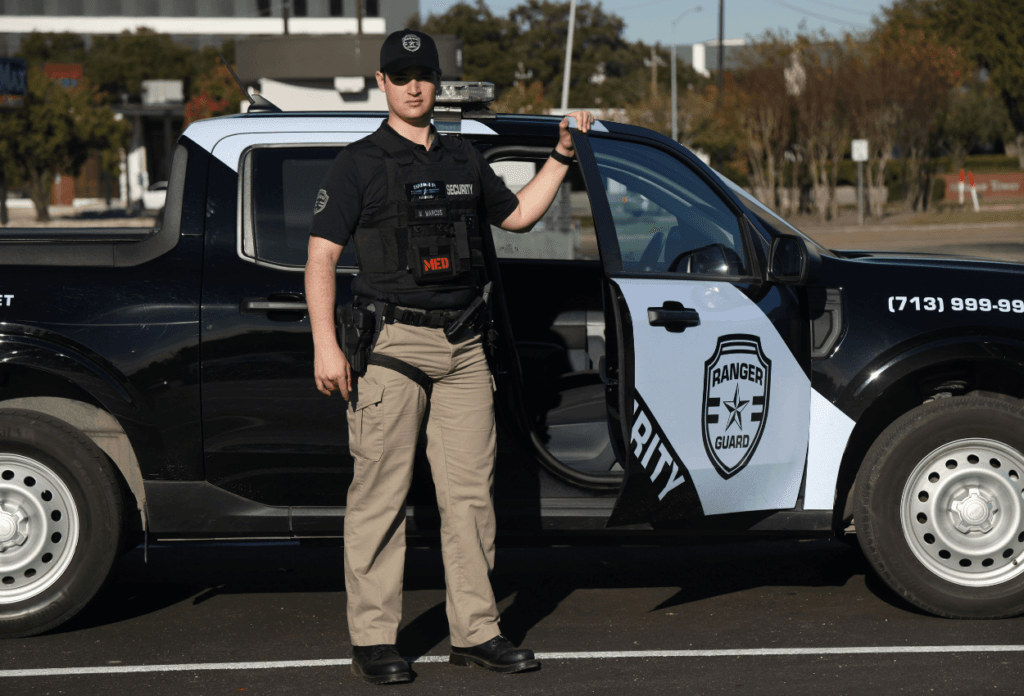
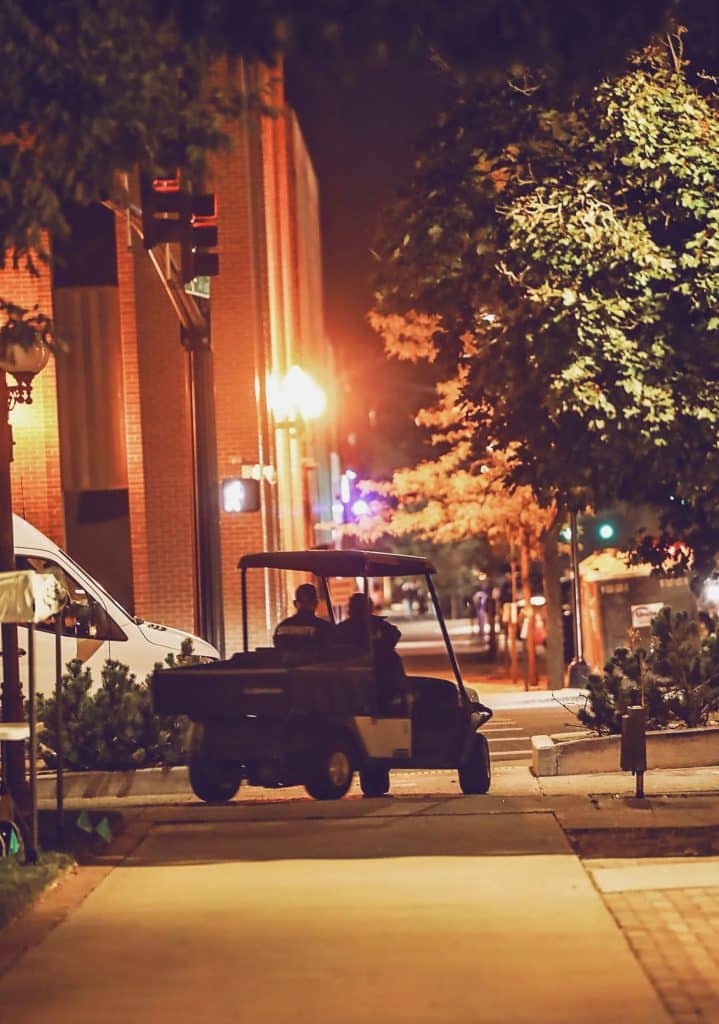
Mobile patrolling is a type of security service where trained officers patrol your property in clearly marked vehicles, on foot, or using a combination of both. These patrols can be scheduled, randomized, or a mix of both, depending on your risk level and coverage needs.
Unlike static security officers who remain at a fixed post, mobile security guards cover more ground, more efficiently. Their high visibility deters criminal activity, provides rapid response capabilities, and ensures that properties without 24/7 staffing still have comprehensive protection.
How Mobile Patrol Works
Mobile patrol units are staffed by licensed, uniformed protective agents who follow designated patrol routes. Each patrol can include:
- Interior and exterior checks: Inspecting doors, windows, stairwells, parking lots, fences, and gates.
- Alarm response: Acting as the first line of defense when alarms are triggered.
- Lock-up and unlock services: Opening and securing facilities at scheduled times.
- Incident reporting: Documenting hazards, damages, or suspicious activity.
- Employee escorts: Walking staff safely to their vehicles during after-hours shifts.
Modern patrol teams often use GPS tracking, cloud-based incident reporting, and real-time communication tools to keep clients informed and compliant.
What Makes Mobile Patrolling Effective?
The success of mobile patrol depends on two core factors: deterrence and detection.
- Visible deterrence: Studies that increasing patrol presence can reduce victim‑generated crimes by 16 percent.
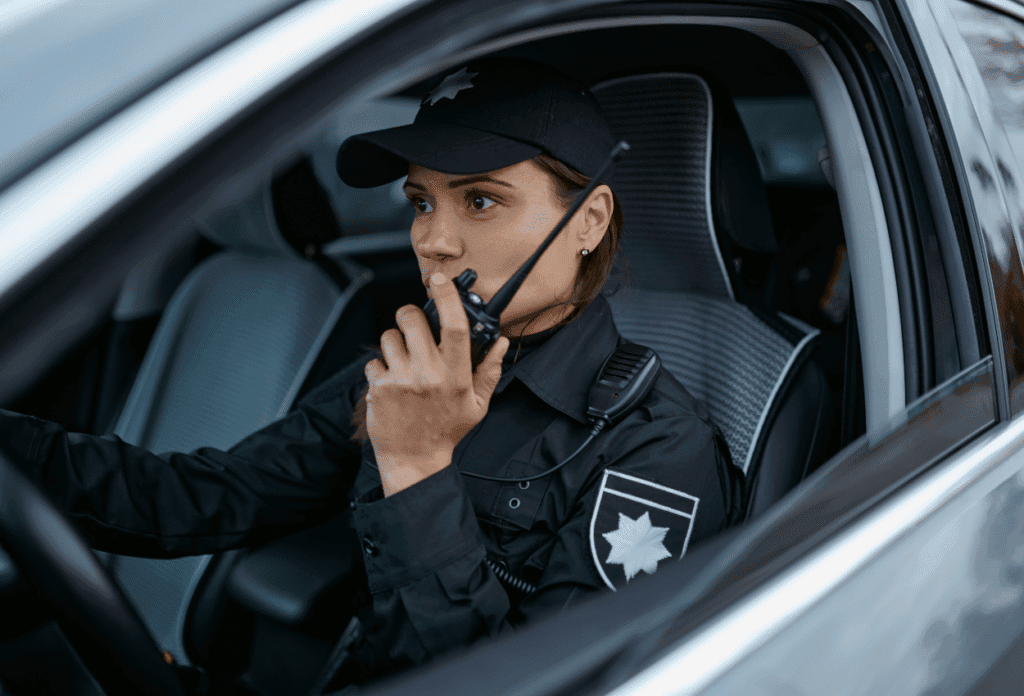
- Rapid response: Because patrol vehicles are already in motion, officers can quickly investigate alarms, suspicious activity, or emergencies.
- Randomization: By varying patrol times and routes, mobile units create unpredictability. This makes it harder for bad actors to “case” your property.
- Documentation: Every patrol is logged and recorded, providing clients with detailed incident reports and helping with insurance claims or internal investigations.
What Services Are Typically Included in Mobile Patrol Security?
The scope of mobile patrol services depends on the property type, layout, and security needs. However, most mobile patrol operations include a combination of:
- Scheduled or randomized perimeter patrols
- Interior building walkthroughs
- Vehicle patrols using marked security cars
- Incident response and escalation protocols
- Surveillance camera monitoring and system checks
- Access control at doors, gates, and entry points
- Alarm system response
- Report writing and incident documentation
- Parking enforcement and vehicle tagging
Mobile patrol officers are trained to observe and report suspicious activity, enforce property rules, respond to alarms, and monitor for hazards such as broken locks, unsecured areas, or unsafe conditions. Patrols may be conducted on foot or by vehicle, depending on the environment and coverage area.
Mobile Patrolling VS On-Site Security: What’s the Difference?
While both options are highly effective, mobile patrol and static security guard services serve different purposes:
| Mobile Patrolling | On-Site Security Guard |
| Multiple locations | Single fixed location |
| High (marked vehicles, random timing) | Moderate (stationary post) |
| Lower (shared patrols) | Higher (dedicated staffing) |
| Best for large properties, HOAs, low-risk areas | Best for high-traffic or high-risk zones |
Both mobile patrol and on-site security have their place. The right choice comes down to your location, layout, and risk level. Mobile patrol is ideal for properties that need flexible, visible coverage across multiple zones, especially after hours. For high-traffic or high-risk areas, an on-site officer may be a better fit.
Research shows that combining trained security personnel with active oversight — what experts call “place management” — is one of the most effective ways to prevent crimes such as vandalism, theft, and break-ins.
Who Can Benefit from Mobile Patrol Security Services?
Mobile patrolling is ideal for:
- Commercial office parks
- Shopping centers and malls
- HOAs and gated communities
- Construction sites
- Schools and educational campuses
- Medical facilities
- Industrial and warehouse properties
- Parking lots and garages
If your property experiences irregular hours, limited foot traffic, or past incidents of theft or vandalism, then mobile patrol services are a smart preventative measure.
Why Businesses Trust Pikes Peak Security for Mobile Patrol
Effective mobile security doesn’t come from a drive-by glance or a checklist. It comes from professionals who are trained to observe, respond, and take control of a situation before it escalates. That’s where we come in.
At Pikes Peak Security, we offer full-service mobile patrol security. Whether you manage a retail center, construction site, industrial facility, or residential community, our security professionals are here to real-world experience and local expertise to every patrol.
When you choose us, you can expect:
- Marked, GPS-tracked patrol vehicles for maximum visibility
- Licensed, uniformed security officers with military or law enforcement backgrounds
- 24/7 dispatch and rapid response protocols
- Real-time digital reports with time stamps, images, and field documentation
- Patrol plans built around your layout, traffic patterns, and security priorities
If basic coverage isn’t enough, it’s time for a security presence that commands respect. Pikes Peak Security offers trusted mobile security services for residential complexes and commercial properties. Reach out today to claim your quote, and let’s create the right security strategy for your property.
Frequently Asked Questions About Mobile Security Patrol
What is mobile patrolling, and how is it different from static guarding?
Mobile patrolling involves trained security officers covering a wide area using marked vehicles or foot patrols. Unlike static guarding, where a guard remains at a fixed location, mobile patrols offer more dynamic coverage, better visibility, and the ability to deter threats across multiple access points or properties.
Are mobile patrol services cheaper than hiring a full-time guard?
In most cases, yes. If your property doesn’t require 24/7 static coverage, mobile patrol security can provide strong protection at a fraction of the cost. You still get visibility, deterrence, and fast response — without paying for a full-time presence.
Can I schedule specific patrol times?
Absolutely. Mobile patrol security can be scheduled at specific times that make sense for your business, like after closing hours or during known risk windows. Many clients also opt for randomized patrols to prevent predictable patterns that criminals can exploit.
Are mobile patrol guards armed?
That depends on your needs and the risk level of your site. Pikes Peak Security offers both unarmed and armed security guards, and all of them meet rigorous state licensing requirements. They also complete ongoing weapons and tactical response training.
Will I receive reports?
Yes. Our mobile patrol officers generate detailed digital reports for every patrol, including time stamps, GPS logs, photos, and incident summaries. These are shared with clients in real time for full transparency and accountability.
What certifications do mobile patrol officers have?
At Pikes Peak Security, our mobile security guards undergo continuous training and are certified in first aid, de-escalation, emergency response, and crime prevention. Many also have backgrounds in military or law enforcement, bringing real-world experience to every patrol.
In addition to state-required licensing, our team completes over 100 hours of annual training, covering tactical operations, legal compliance, and customer interaction, ensuring they’re prepared for both high-risk situations and routine security duties.