
If you manage an apartment complex or serve on an HOA board in Denver, then apartment safety is probably at the top of your list. But safety risks are rarely loud and glaring. In fact, some of the biggest security leaks happen in the smallest of ways.
It’s the resident who calls because the garage door has been stuck open again.
The board member who notices someone sleeping in the clubhouse entryway.
The parent walking a child across the parking lot after dark, wondering why the lights near Building C still haven’t been fixed.
The leasing team member who has to explain, for the third time this month, that another package went missing from the mailroom.
None of these issues may feel catastrophic on their own. But together, they can make your property more and more vulnerable over time.
That’s why safety can’t be treated like a once-a-year checklist. In Denver, where apartment communities, HOA neighborhoods, mixed-use properties, parking garages, and shared amenities all sit within a fast-moving urban environment, security has to be active, visible, and practical.
The goal isn’t to make residents afraid. The goal is to make them feel like someone is paying attention.
Why Apartment Safety Matters in Denver Right Now
Denver safety looks different from one property to the next.
A quiet HOA near the foothills may be thinking about gate access, dark walking paths, or suspicious vehicles after hours. A downtown apartment building may be dealing with parking garage break-ins, package theft, unsecured stairwells, or people slipping in behind residents at controlled entrances.
Different properties. Different pressure points. Same basic responsibility: help residents feel safe moving through the places they use every day.
That doesn’t mean turning an apartment complex or HOA community into a fortress. It means paying attention to where residents feel exposed, where the property is easiest to access, and where small security gaps keep showing up.
For Denver property leaders, local context can help. The Denver Police Department crime information dashboard gives managers, HOA boards, and residents a way to review reported crime activity across the city by area, timeframe, neighborhood, and category. It’s not a substitute for walking the property, listening to residents, or building a site-specific security plan, but it can help leaders make decisions based on real local patterns instead of fear, assumptions, or scattered complaints.
| What Property Leaders Should Ask | Why It Matters |
|---|---|
| Where do residents feel most vulnerable? | Safety is partly physical and partly emotional. |
| Which access points fail most often? | Broken gates and doors quietly invite problems. |
| Where are theft, loitering, or vandalism most likely? | Parking areas, mailrooms, and stairwells often need extra attention. |
| Who responds when something feels off? | Cameras record. People respond. |
| How are incidents documented? | Good records help boards and managers make better decisions. |
This is where apartment safety becomes bigger than locks, lights, and cameras. It becomes a system residents can feel.
Apartment Safety Starts Before Something Goes Wrong
Most property safety problems don’t arrive with sirens.
They start with one small gap.
A side gate that never closes all the way.
A stairwell light that flickers for weeks.
A storage room door that residents prop open because the lock sticks.
A mailroom camera that points at the ceiling instead of the packages.
A garage entry where people tailgate behind residents every evening.
These aren’t dramatic problems. They’re ordinary problems. And that’s exactly why they get ignored.
But from a security standpoint, ordinary gaps are often where bigger issues begin.
This is where Crime Prevention Through Environmental Design becomes useful. CPTED focuses on how design, visibility, landscaping, access control, and property maintenance can influence safety. For Denver apartment complexes and HOAs, that means lighting, trimmed landscaping, working gates, clear sightlines, and maintained common areas aren’t just “property upkeep.” They’re part of the security plan.
So in other words, a property should quietly say, “This place is cared for, watched, and managed.”
Practical Safety Tips You Can Practice Right Now
The strongest safety plans aren’t built from one expensive camera system or one dramatic policy change. They’re built from layers.
Good lighting.
Working locks.
Clear resident communication.
Visible patrols when needed.
Consistent documentation.
A plan for what happens when something escalates.
Here are some practical steps Denver apartment complexes and HOA communities can use to build a safer property from the ground up.
1. Start With the Walk From the Car to the Door
For many residents, safety isn’t theoretical. It’s the walk from their parking spot to their front door.
That walk tells them a lot.
- Do the lights work?
- Can they see who’s nearby?
- Does the stairwell feel clean and cared for?
- Does the garage door close the way it should?
- Is someone lingering near the entrance?
- Would anyone notice if something happened?
If you want to understand how safe your community feels, walk the property the way residents experience it.
Walk it at 7 a.m.
Walk it after dark.
Walk it near the dumpsters, parking areas, mailroom, laundry room, clubhouse, and side gates.
Walk it without explaining away what you see.
Then make a list of the places where you wouldn’t want your own family member walking alone at night.
Those areas should move to the top of your safety plan.
2. Fix Lighting Before You Add More Complicated Security Hardware
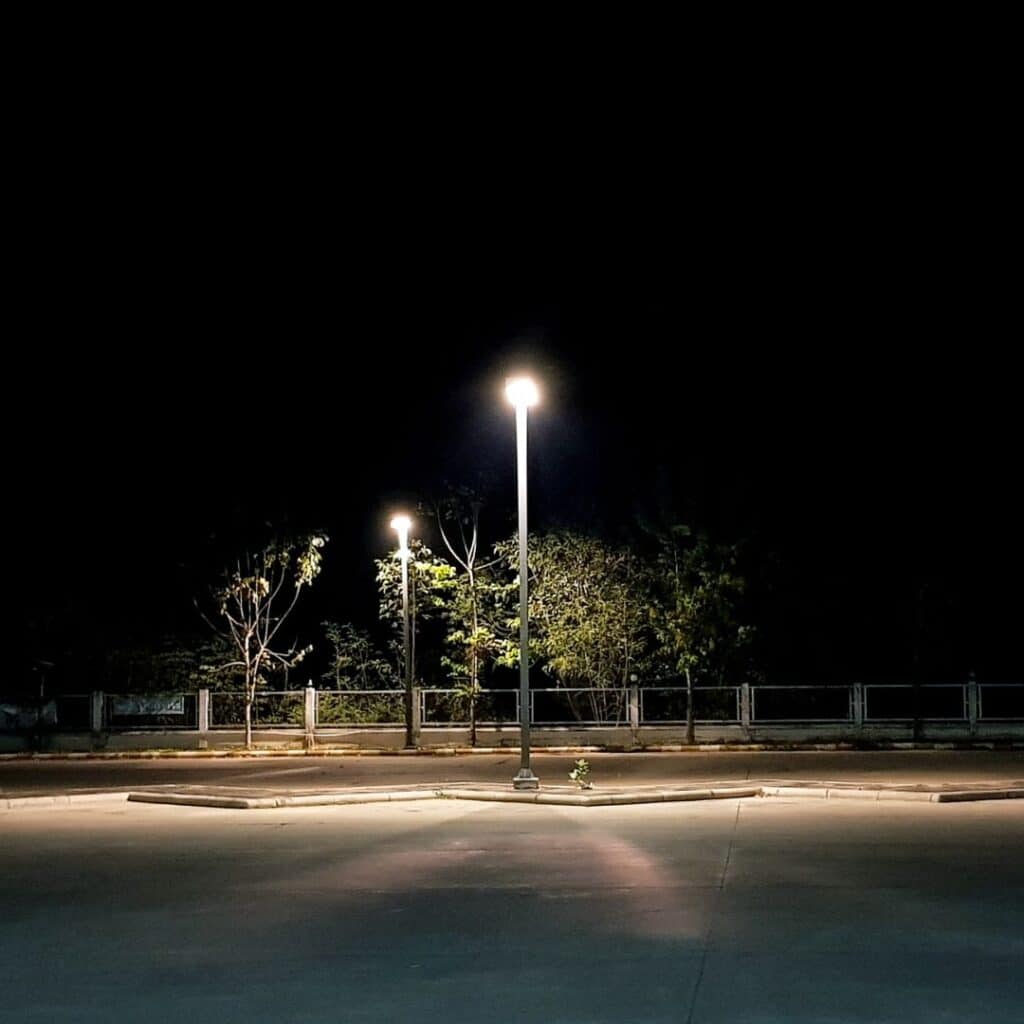
Lighting’s one of the simplest safety improvements a property can make, but it’s also one of the easiest to delay.
A burned-out light becomes a work order.
The work order gets pushed behind plumbing.
Then landscaping.
Then budget approvals.
Then suddenly, the same dark corner has been dark for six weeks.
That’s not just a maintenance issue. It’s a security issue.
Prioritize lighting in:
- Parking lots
- Parking garages
- Sidewalks and walking paths
- Stairwells
- Elevators
- Mailrooms
- Package rooms
- Laundry rooms
- Dumpster areas
- Pool and clubhouse entrances
- Side gates and service doors
Lighting won’t solve every problem, but it supports almost everything else. It helps residents see clearly, helps security camera systems capture better footage, and makes suspicious activity harder to hide.
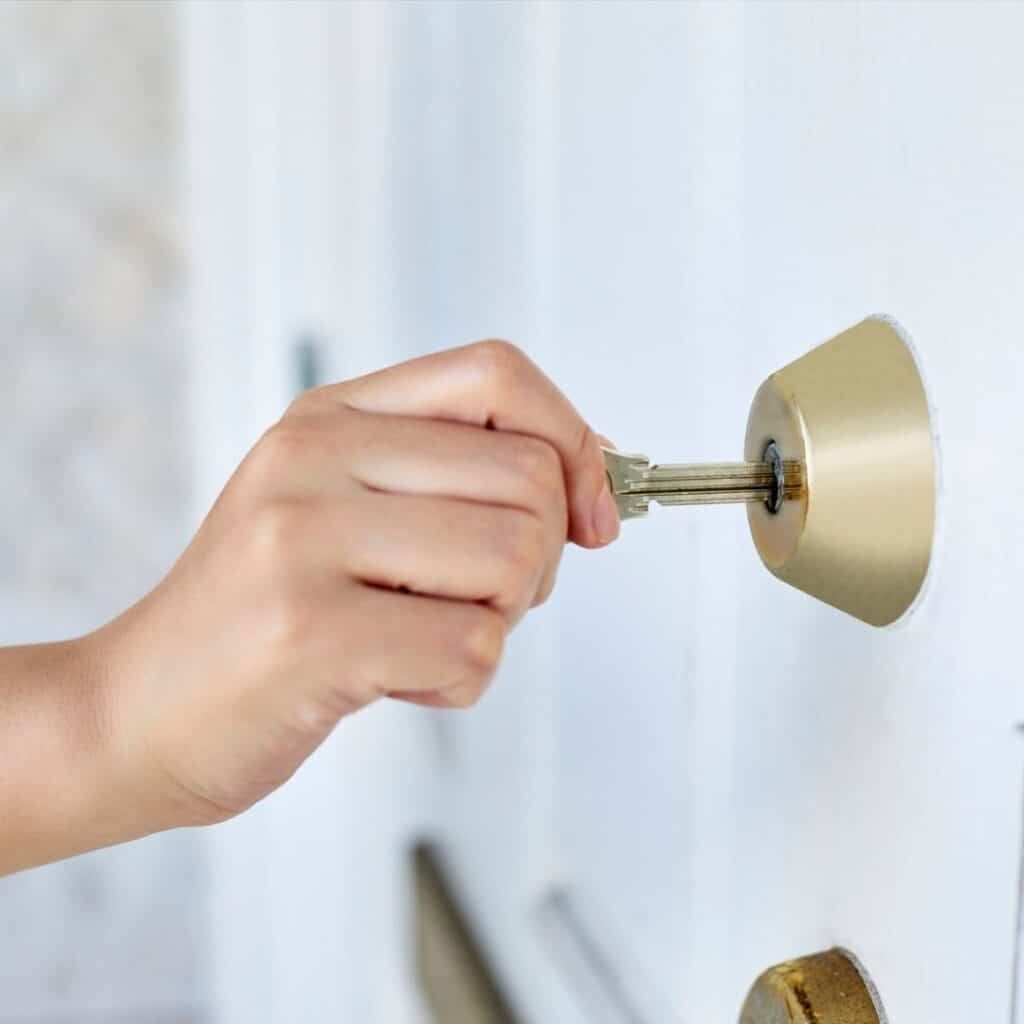
3. Treat Doors, Locks, and Gates Like the First Line of Defense
A security plan can look impressive on paper and still fail at the door.
Access control only works when the basics work.
Every apartment complex and HOA community should regularly inspect:
- Main entrance doors
- Garage gates
- Pedestrian gates
- Pool gates
- Clubhouse doors
- Gym and amenity entrances
- Storage room doors
- Roof access doors
- Maintenance entrances
- Key fob systems
- Call boxes
- Door and window sensors
This matters even more in larger Denver communities, where residents, guests, delivery drivers, contractors, rideshare drivers, maintenance teams, and vendors may all move through the property on the same day.
When doors don’t latch, gates don’t close, or codes get shared too casually, the property loses control over who belongs there.
And once residents feel like “anyone can get in,” trust starts leaking out of the building.
4. Prioritize Mail Room Safety
A package room can become a quiet source of community frustration.
At first, it’s one missing box.
Then it’s three.
Then residents start posting warnings in the community Facebook group.
Then the leasing office starts fielding angry calls about something it might not be able to prove.
Package theft isn’t always violent or dramatic, but it can quickly damage resident confidence.
To improve package and mailroom safety:
- Keep package areas well-lit.
- Limit access to residents and authorized staff.
- Use secure package lockers when possible.
- Place cameras where faces and package activity can be seen clearly.
- Avoid leaving deliveries in open lobbies.
- Post clear pickup rules.
- Track recurring issues by date, time, and location.
5. Install Security Cameras and Surveillance Systems
Security cameras can be helpful. But a camera alone isn’t a safety plan.
A camera can’t ask someone why they’re trying door handles in the garage.
A camera can’t walk a resident to their car.
A camera can’t de-escalate an argument in the clubhouse.
A camera can’t decide whether a situation needs emergency services.
Cameras work best as documentation tools, deterrents, and part of a larger plan.
They’re not a replacement for human judgment.
Place surveillance cameras and CCTV cameras where they can capture useful information, including:
- Main entrances and exits
- Parking lots
- Garage gates
- Mailrooms
- Elevators
- Stairwell entrances
- Amenity areas
- Trash and dumpster zones
- Side gates
- Leasing office entrances
Then ask the question many properties skip:
Who’s responsible for reviewing footage, documenting incidents, and acting on patterns?
If no one owns that process, cameras can become expensive witnesses instead of useful security tools.
6. Pay Attention to Parking Areas Before Residents Start Complaining
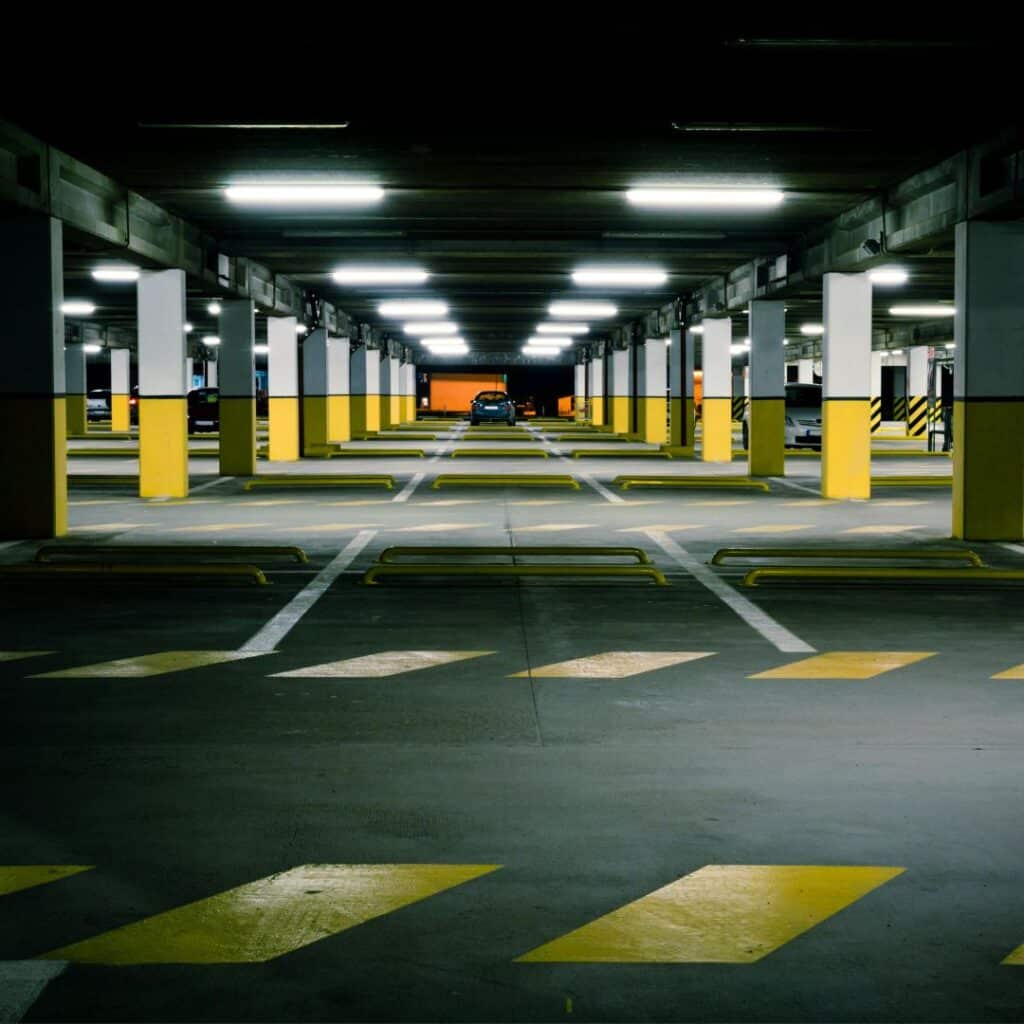
Parking lots and garages collect a lot of resident anxiety.
They’re large.
They’re busy.
They’re often poorly lit.
They have constant vehicle and foot traffic.
And they’re where residents may already feel distracted while carrying groceries, children, bags, or work equipment.
For Denver apartment complexes and HOA communities, parking lot security should be treated as a major part of apartment safety, not an afterthought.
| Parking Area Concern | Practical Safety Improvement |
|---|---|
| Vehicle break-ins | Better lighting, cameras, patrols, and resident reminders |
| Unauthorized vehicles | Clear towing policy and consistent enforcement |
| Loitering | Visible patrols and faster reporting procedures |
| Poor visibility | Trimmed landscaping and improved lighting |
| Garage tailgating | Resident education and access control checks |
| Vandalism | Camera review, incident logs, and patrol presence |
Where Apartment and HOA Safety Plans Usually Break Down
Most safety plans don’t fail because no one cares.
They fail because the information gets scattered.
Maintenance knows the gate’s broken.
Residents know which stairwell feels unsafe.
The board knows complaints keep increasing.
The leasing office knows packages keep disappearing.
The camera system may have footage.
The police report may have details.
But no one’s connecting all of it.
That’s when communities get trapped in reaction mode.
A strong safety plan connects the moving pieces:
- Maintenance reports
- Resident complaints
- Police reports
- Camera footage
- Access control records
- Patrol observations
- Incident logs
- Board decisions
- Management follow-up
Professional security can become valuable here. Not because every property needs a guard at every door, but because some communities need trained eyes, visible presence, documentation, and a calm response when something starts to escalate.
When to Bring in Professional Residential Security
Some Denver properties can improve safety with better lighting, stronger locks, clearer communication, and routine inspections.
Others need more.
Professional residential security may make sense when your community’s dealing with:
- Repeated trespassing
- Vehicle break-ins
- Package theft
- Vandalism
- Resident complaints about feeling unsafe
- Staff safety concerns
- Unwanted activity in common areas
- Problems near parking garages or lots
- Repeated access control failures
- High-conflict HOA meetings or resident disputes
- Overnight concerns that need patrol coverage
Your Residents Deserve to Feel Safe in Their Own Homes
When residents start asking, “Is anyone doing something about this?” they’re not just asking about a broken gate, a dark parking lot, or another missing package.
They’re asking whether someone’s paying attention.
For Denver apartment complexes, HOA neighborhoods, gated communities, and residential properties, small safety concerns can add up quickly. A few unresolved issues can turn into resident frustration, staff stress, board pressure, and a property that no longer feels as secure as it should.
That’s where we can help.
At Pikes Peak Security, we offer specialized residential security for apartment complexes and residential communities. Our trained security professionals provide visible patrols, flexible coverage, armed and unarmed security options, and reliable reporting, so your community isn’t left guessing what happened, who responded, or what needs to happen next.
Contact Pikes Peak Security today to build a residential security plan for your Denver community.
Frequently Asked Questions About Residential Security Services
What are the most important apartment safety tips for Denver communities?
Start with better lighting, secure doors and gates, monitored common areas, and a clear reporting process. Denver apartment complexes should pay special attention to parking areas, mailrooms, stairwells, elevators, and side entrances. These places often show residents the difference between a property that’s simply managed and a property that’s actively protected.
How can an HOA improve safety without making the neighborhood feel too strict?
An HOA can start with practical improvements like better lighting, working gates, clear signage, maintained landscaping, and consistent communication. The goal isn’t to make residents feel watched or restricted. The goal’s to make the community feel cared for, organized, and harder to target.
Do security cameras prevent break-ins at apartment complexes?
Security cameras can help deter unwanted activity and provide useful documentation after an incident. However, cameras work best when they’re placed strategically, maintained properly, and supported by a broader safety plan. For higher-risk properties, trained security patrols may provide the human response that cameras can’t.
What areas of an apartment complex need the most security attention?
Parking lots, parking garages, mailrooms, stairwells, elevators, laundry rooms, fitness centers, clubhouses, and side entrances often need the most attention. These areas usually have frequent traffic, limited visibility, or access control challenges. Regular property walks can help managers and HOA boards identify weak spots before they turn into repeat complaints.
When should an apartment complex hire professional security?
Professional security may be needed when a property has repeated trespassing, theft, vandalism, vehicle break-ins, resident safety complaints, or staff safety concerns. It may also be helpful for overnight patrols, weekend coverage, high-conflict situations, or properties with large shared spaces. A trained security presence can help deter problems, respond quickly, and document what happens.
Can better lighting really improve apartment safety?
Yes, better lighting can make residents feel safer and make suspicious activity harder to hide. It also helps security cameras, patrol teams, residents, and first responders see what’s happening more clearly. For Denver apartment complexes and HOAs, lighting’s one of the simplest and most practical first steps.